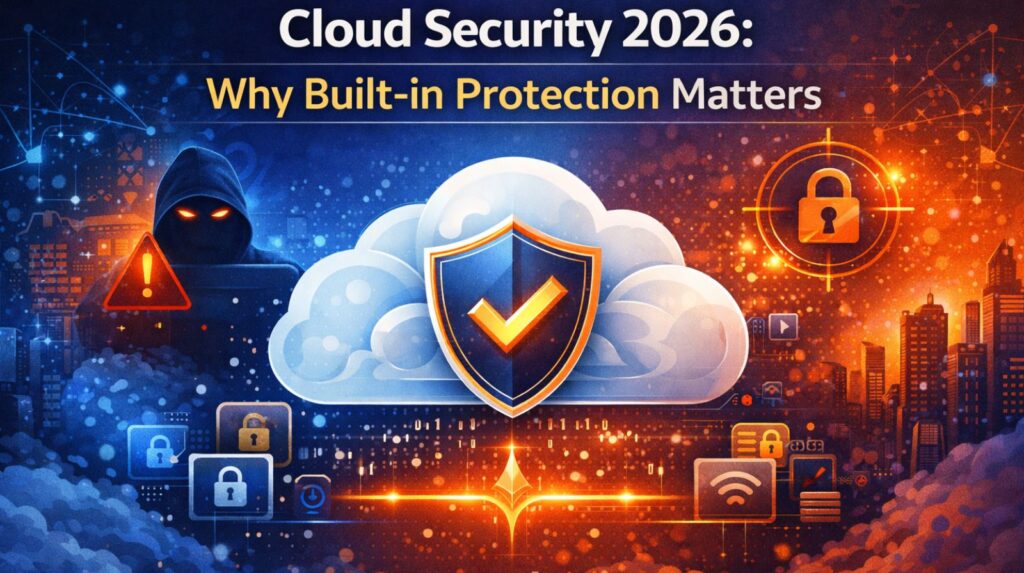
In today’s digital landscape, the frequency and sophistication of Cloud Security are escalating at an alarming rate. Recent data shows that businesses face a higher risk of data breaches and ransomware attacks, leading to significant downtime and financial loss. As we move into 2026, has evolved from being an optional add-on to an essential component of any business strategy. Companies that utilize secure cloud hosting options are not only protecting their data but also enhancing their overall operational resilience.
The rise in cyber attacks is a pressing concern for startups and established businesses alike. In 2026, reports indicate that nearly 60% of small and medium enterprises (SMEs) have experienced a cyber incident, highlighting the urgent need for robust security measures. As cybercriminals become more sophisticated, relying solely on traditional security measures is no longer sufficient. To mitigate these risks, businesses must prioritize built-in security features that protect sensitive data and maintain operational integrity.
Cloud security has undergone a significant transformation over the past decade. Initially viewed as an optional feature, businesses now recognize the importance of built-in cloud security as a critical necessity. This shift is driven by the increasing reliance on cloud services for data storage, application hosting, and business operations.
Historical Perspective
Historically, cloud security was often an afterthought, with many providers offering basic protections. However, as data breaches became more prevalent, the demand for comprehensive security solutions grew. By 2026, cloud service providers have integrated advanced security features into their platforms, making them a standard offering rather than an extra.
Current Trends
In 2026, businesses are increasingly adopting a proactive approach to cloud security. This includes regular security audits, vulnerability assessments, and the implementation of multi-factor authentication. These trends reflect a broader understanding that security is not just a technical requirement but a business imperative.
Modern cloud solutions come equipped with a variety of built-in security features designed to protect businesses from evolving threats. Understanding these features is crucial for any organization looking to secure its data effectively.
DDoS Protection
Distributed Denial of Service (DDoS) attacks can cripple a business’s online presence. In 2026, many cloud providers offer automatic DDoS protection to ensure that services remain operational even under attack. This feature is essential for maintaining customer trust and minimizing service disruptions.
Firewalls and Intrusion Detection Systems
Firewalls act as a barrier between your internal network and external threats. Coupled with intrusion detection systems, these tools help identify and block malicious activities in real-time. Businesses leveraging cloud data protection strategies can significantly reduce their vulnerability to attacks.
Automated Backups and Encryption
Automated backups ensure that data is consistently saved and can be restored in case of a breach. Encryption adds an additional layer of security, making it difficult for unauthorized users to access sensitive information. In 2026, these features are standard in most cloud solutions, making data protection more accessible for businesses of all sizes.
AI-Based Threat Detection
Artificial intelligence is revolutionizing cloud security. AI-based systems can analyze patterns of behavior to identify potential threats before they cause damage. This proactive approach is crucial in an era where threats evolve rapidly.
Opting for cheap or unsecured hosting solutions can expose businesses to significant risks. While cost savings may be appealing, the potential for data breaches and loss of customer trust far outweighs the benefits.
Lack of Security Features
Many low-cost hosting providers do not offer essential security features such as firewalls, DDoS protection, or regular updates. As a result, businesses using hosting security features to consider may find themselves vulnerable to attacks.
Compliance Issues
Cheap hosting solutions often do not comply with industry regulations, putting businesses at risk of legal repercussions. In 2026, compliance with standards such as GDPR and HIPAA is more critical than ever, and businesses must ensure their hosting providers meet these requirements.
Long-Term Costs
While initial costs may be lower, the long-term expenses associated with data breaches, recovery efforts, and lost revenue can be devastating. Investing in a secure cloud solution is a far more prudent choice for businesses looking to thrive in the digital landscape.
Compliance and data protection are paramount in today’s regulatory environment. Businesses must ensure that their cloud solutions adhere to relevant laws and standards to avoid hefty fines and reputational damage.
Navigating Compliance Standards
In 2026, businesses must navigate a complex landscape of compliance standards. This includes understanding the requirements of GDPR, HIPAA, and other regulations that govern data protection. Companies using choosing a secure cloud provider can ensure they meet these standards and protect their customers’ data.
Building Customer Trust
Compliance is not just about avoiding penalties; it also plays a crucial role in building customer trust. When customers know that their data is handled securely and in compliance with regulations, they are more likely to engage with a business.
Building Customer Trust Through Robust Security Measures
Security is a key factor in customer trust. Businesses that prioritize cloud security demonstrate their commitment to protecting customer data.
Transparency in Security Practices
In 2026, transparency regarding security practices is essential. Businesses should communicate their security measures to customers, outlining how data is protected and what steps are taken in the event of a breach.
Customer Education
Educating customers about the importance of security can enhance trust. Providing resources and information on how customers can protect their data further solidifies a business’s reputation as a trustworthy partner.
Modern cloud platforms are increasingly integrating security features by default, making it easier for businesses to adopt robust security practices without additional complexity.
Seamless Integration
In 2026, security features are seamlessly integrated into cloud platforms, allowing businesses to focus on their core operations without worrying about security gaps.
Continuous Updates and Monitoring
Regular updates and continuous monitoring are now standard practices among reputable cloud providers. This ensures that businesses are always protected against the latest threats without requiring manual intervention.
Actionable Advice: Choosing a Secure Cloud Provider
Selecting a secure cloud provider is crucial for any business. Here are some actionable steps to consider:
1.: Ensure that the provider offers essential security features such as DDoS protection, encryption, and automated backups.
2.: Look for providers that comply with relevant regulations and have certifications to prove it.
3.: Research customer experiences and case studies to understand how the provider has handled security incidents in the past.
4.: Reliable customer support is essential for addressing security concerns quickly.
As we move through 2026, prioritizing cloud security is no longer optional; it is a fundamental aspect of business strategy. By understanding the evolving landscape of cyber threats and investing in built-in security features, businesses can protect their data, maintain compliance, and build customer trust. In a world where cyber threats are ever-present, adopting a proactive approach to cloud security is essential for long-term success.

4.9 google Reviews
Lorem ipsum dolor sit amet, consectetur adipiscing elit. Ut elit tellus, luctus nec ullamcorper mattis, pulvinar dapibus leo.